It’s easy to overlook a change in foot color. However, a color change can be caused by rubbing or an issue with the skin, nails, veins, or arteries. Color is not enough to diagnose; location, texture, temperature, pain, and swelling are also important.
In this blog, we will discuss foot colors that are intended to help answer common questions but should not substitute for a medical examination.
Why Do Feet Change Color?
Skin thickening, blood build-up, inflammation, infection, skin pigmentation, and poor circulation can alter the appearance of the skin, leading to a discoloration of the foot.
Pay attention to the temperature, whether it is hot or cold, and whether it is painful or numb. Check for swelling, itching, scaling, wounds, or injuries. A mark that has not changed over the past few years is not the same as a mark that suddenly appeared or is growing.
What Causes Yellow Bottoms of the Feet?
Thick Skin and Calluses
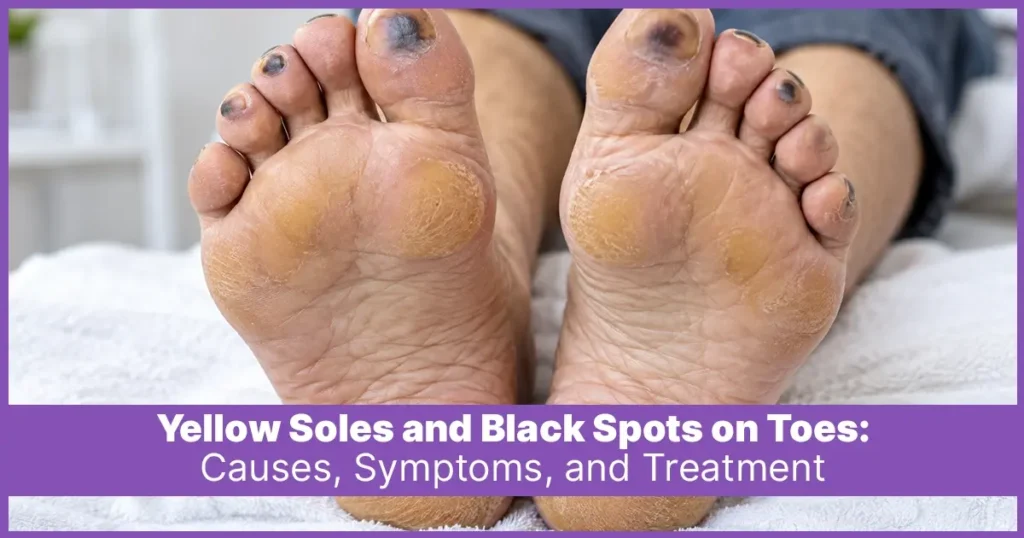
A common explanation is most often nonurgent: a callus, thickened skin from repeated pressure/friction. Calluses can develop under the heel or ball of the foot and may appear yellowish, dry, or waxy.
Tight shoes, foot-shape changes, and extended periods of standing can be factors. Home callus cutting or shaving should not be attempted by anyone with diabetes, numbness, or circulatory issues, as small cuts or scratches can turn into ulcers or infections.
Fungal Infection
Athlete’s foot may lead to dry, scaly, peeling, or cracked skin on the sole and/or between the toes, and can be accompanied by itching, burning, blisters, and softened white skin.
If fungus infects a toenail, the nail can become discolored, thick, crumbly, or elevated. If symptoms continue, they should be evaluated, particularly if OTC remedies have not proven effective.
Widespread Yellowing
It is more serious if the yellowness is not just in the pressure areas. The build-up of bilirubin causes jaundice, which usually shows up on the skin and whites of the eyes.
It may be accompanied by dark urine, light stools, and itching, and can develop from liver, gallbladder, pancreatic, blood, or medication disorders. Excessive intake of beta-carotene-rich foods may cause a yellow-orange discoloration of the skin, but it does not cause yellowing of the eyes. If a person develops generalized yellowing, especially involving the whites of the eyes, further medical evaluation is recommended.
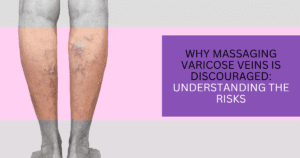
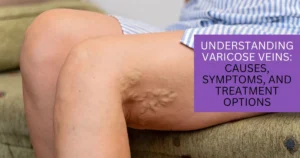
Symptoms of chronic venous insufficiency include reddish-brown discoloration around the ankles, which can be accompanied by swelling, heaviness, aching, itching, varicose veins, and leathery skin.
Poor venous return from damaged leg veins can result in inflammation of the veins, skin changes, and delayed healing of venous ulcers.
A stubbed toe, dropped object, tight shoe, or repetitive exercise can cause purple or blue discoloration. Bruises are caused by damage to small blood vessels, which causes blood to collect under the skin and usually discolour during the healing process.
Marks that follow an obvious injury and slowly fade are less worrisome than marks without injury or that spread.
Feet that are pale, blue, or abnormally cold may also be a sign of poor arterial circulation. PAD can lead to coldness in one foot, pain when walking, numbness, poor nail or hair growth, and slow-to-non-healing wounds.
These symptoms should be addressed with vascular treatment and not cosmetics.
What Can Cause Black Spots on the Toes?
A small bruise, blood blister, or blood under the toenail can occur following impact, running, or shoe pressure. The mark should grow outward and then disappear as the nail expands in growth or as the injury becomes healthy.
If trauma is a repeated occurrence or the pain is severe and pounding, or if you don’t know the cause, you should have it checked out.
A lesion on the bottom of the foot with specks of black may be a plantar wart. The dots indicate blood vessels. Warts can look like calluses, and acids or cutting can damage skin.
Sometimes a new or unusual dark spot may be melanoma. When the foot shows signs of warning, they are:
- A brown or black mark that is not in line.
- Several colors in the same lesion
- A thin, dark line under the nail on a toe.
- A mass that is increasing quickly
- Any sore that won’t heal
Melanoma of the foot doesn’t always itch, bleed, or hurt, so make sure to get your suspicious lesions checked out by a dermatologist.
If the blackness progresses to severe pain, coldness, numbness, weakness, loss of movement, or a nonhealing wound, it may be a sign of dangerously low blood flow or tissue death.
Sudden loss of circulation is a medical emergency, as prompt treatment may be required to save the limb.
When Should You Seek Medical Care?
Get medical help right away if your foot or toe turns pale, blue, or black and feels cold, is very painful, is numb, is weak, or is hard to move. A quick spread of infection, fever from an infected wound, or excessive bleeding is also an emergency.
Schedule a quick appointment for:
- Any other black spot that is new or different.
- A dark nail streak that is not due to an injury
- Swelling of the feet or ankles that does not go away.
- One foot color change (100)
- Pain while walking
- A slow-healing wound
- Yellow skin with yellow eyes
People with diabetes should see their doctor right away if their foot color or temperature changes, they have a blister, an ulcer, a fungal infection, or thick, yellow nails. Injuries can be unnoticed and painless because of nerve damage caused by diabetes.
How a Vein Evaluation May Help
If discoloration is accompanied by swelling of the ankles, heavy legs, aching legs, itching legs, varicose veins, or ulcers near the ankles, a venous evaluation is necessary .
The Chicago Vein Centers provide minimally invasive procedures for vein disease, such as endovenous laser ablation, radiofrequency ablation, VenaSeal, and sclerotherapy. In addition, Chicago Vein Centers perform ultrasound vein mapping for the diagnosis of vein disease.
The appropriate specialist will depend upon the cause, however. If they notice any suspicious skin lesions, they will need to see a dermatologist; if they have pressure-related problems, they will need to see a podiatrist; and if they have signs of poor arterial circulation, they will need urgent vascular care.
Take photographs of the affected area at the same time in the same light and record the date of onset while making the arrangements. Choose shoes that fit properly, don’t get your feet wet, and check the areas between your toes frequently. Avoid cutting calluses, making holes in blisters, or applying chemicals to remove warts from an unknown dark patch.
The Bottom Line
Looking for foot discoloration is a symptom, NOT a diagnosis. Yellow bottoms can indicate calluses or fungal alterations, and a systemic yellowing can indicate a systemic condition. Staining of the ankles can be related to venous disease, blanched or blue feet can be clues to poor arterial circulation, and black spots may be either from trauma, warts, melanoma, or extremely poor circulation.
Go to a professional for early treatment if the color change is new, unexplained, painful, cold, spreading, or has a wound.