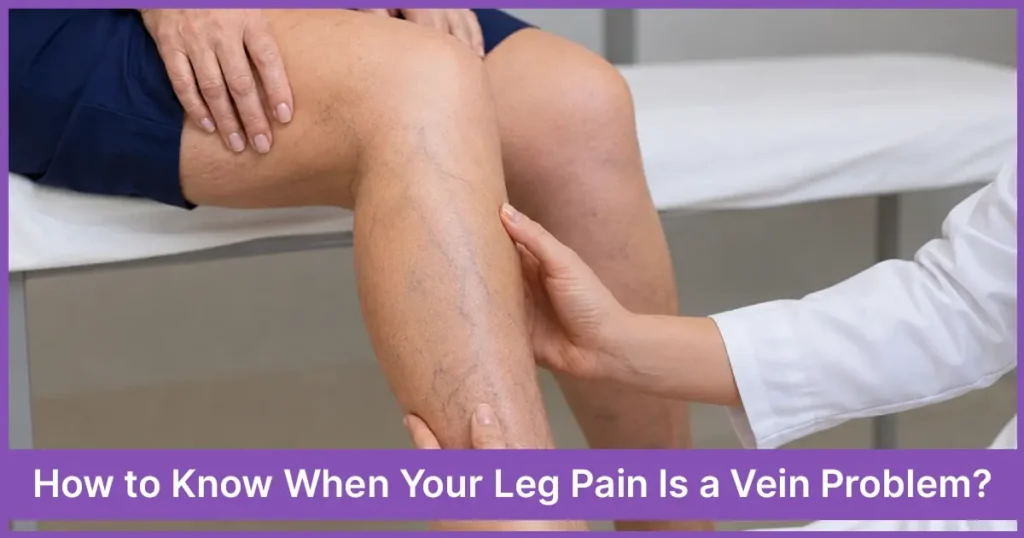
Pain in our legs is an experience everybody has had at some time. It is sometimes caused by muscle strain, long working hours, or even dehydration. However, what happens when it is not just muscle fatigue in your leg? What can happen is that it is a vein issue. The difference can be understood to enable you to get the appropriate treatment.
At Chicago Vein Centers, we usually encounter patients that sometimes confuse vein issues with normal fatigue. As a matter of fact, vein problems may silently develop without treatment.
We will discuss ways of determining when your leg pains are due to a vein issue and what are the indicators that you cannot overlook.
Understanding How Veins Work
The veins are important in returning blood to your heart. Your legs have veins that fight gravity. These are little valves located in the veins that open and close so that the blood does not stand still.
As soon as such valves are weakened or damaged, blood begins to accumulate in the legs. This is referred to as venous insufficiency. With time, it may cause discomfort, swelling, and the appearance of veins.
Common Symptoms of Vein-Related Leg Pain
Not all leg pain is the same. The following are the most frequent symptoms that can give you an indication that you are experiencing vein issues and not muscle or joint ones:
1. Aching or Heavy Feeling in the Legs
In case your legs are heavy and especially at the end of the day, then it might be more than fatigue. Pain in the veins can be experienced to be like:
- A dull ache
- Throbbing sensation
- Pressure or fullness
- Burning discomfort
The pain tends to be exacerbated when one has long periods of standing or sitting.
2. Swelling in the Lower Legs and Ankles
Regular swelling particularly in the ankles is a good sign of vein problems. This occurs due to the buildup of blood and fluid in the tissues, which occurs when the veins fail to operate correctly. When your swelling gets better when you raise your legs, it could be an indication of a circulation issue.
3. Visible Varicose or Spider Veins
Changes in veins that are observable include:
- Bulging, twisted veins
- Blue or purple veins
- Red or purple spider veins of thin nature.
These are the so-called varicose veins and spider veins. They are not cosmetic issues only. They are in most instances symptoms of dysfunction of the deep veins.
4. Pain That Gets Worse After Standing
Pains in the muscles tend to dissolve with movement and stretching. The pain in the veins usually acts in a different way.
If your leg discomfort:
- Aggravated by long periods of standing.
- Improves when you lie down
- Comfortable when legs are raised up.
It might relate to the lack of blood circulation.
5. Night Cramps or Restless Legs
Sometimes your legs may be causing a lot of cramps in your night, or you may feel the need to move your legs which may be associated with a problem in the veins.
Muscles fail to receive sufficient oxygen when the flow of blood is limited. This may cause cramps or restlessness, particularly when one is asleep.
6. Skin Changes Around the Ankles
Skin changes might occur as the problem with veins advances and include:
- Darkening of the skin
- Dry or itchy patches
- Thickened skin
- Slow-healing sores or ulcers
These are the symptoms of a disease of veins in its advanced stages and demand a medical intervention.
When Leg Pain Is NOT a Vein Problem
One should also know when it is probable that leg pain is due to other causes. Your pain may be muscular if:
- It began following an exercise or an injury.
- It is better with rest and massage.
- It feels sharp and localized
- No edema or vein alteration.
Pain that is associated with joints is normally stiffness, particularly the knees or hips.
In case of doubt, the safest thing is to seek professional assessment.
Risk Factors That Increase the Chances of Vein Problems
Certain factors make vein-related leg pain more likely:
- Family history of varicose veins
- Pregnancy
- Obesity
- Long hours of standing or sitting
- Aging
- Lack of physical activity
If you fall into one or more of these categories and experience leg discomfort, it’s wise to consult a specialist.
Could It Be a Blood Clot?
In other instances, deep vein thrombosis (DVT) which is a severe condition can be indicated by pain in the leg. This occurs when a blood clot is developed in a deep vein.
Warning signs include:
- Sudden swelling in one leg
- Warmth in the affected area
- Red or discolored skin
- Sharp pain in the calf
This is a medical emergency. Immediate care is necessary.
Early diagnosis plays a key role in preventing complications.
How Vein Problems Are Diagnosed?
If you suspect your leg pain is vein-related, a specialist may perform:
- Physical examination
- Ultrasound imaging
- Doppler studies to check blood flow
These tests are painless and help identify whether your veins are functioning properly.
Treatment Options for Vein-Related Leg Pain
The good news is that most vein problems are treatable, especially when detected early.
Lifestyle Changes
In mild cases, symptoms could be minimized by the simple alterations:
- Elevate your legs daily
- Wear compression stockings
- Maintain a healthy weight
- Stay physically active
- Avoid prolonged standing
Minimally Invasive Procedures
The modern vein interventions are fast, safe and less demanding. Options may include:
- Laser therapy
- Radiofrequency ablation
- Sclerotherapy
We utilizes superior, minimally invasive methods to revive normal blood circulation and alleviate the pain of the legs.
When Should You See a Specialist?
The specialist in veins should be consulted in case:
- Pain in your legs is lasting.
- Swelling becomes frequent
- Visible veins are worsening
- Skin changes appear
- Suffering disrupts normal living
With early intervention, it is possible to avoid complications and live better.
Why Early Detection Matters?
The disregard of pain in the legs connected to the veins can result in:
- Chronic swelling
- Skin damage
- Painful ulcers
- The risk of having blood clots has increased.
The sooner the problem is solved, the easier it is to treat.
Patients with Chicago Vein Centers wish they had seeked help earlier. What appeared to have been a regular fatigue state was a manageable vein condition.
Final Thoughts
Constant discomfort must never be neglected. If your pain is heavy and made worse when you stand and made better by being elevated, then this is often a vein problem.
Contemporary therapies are safe, efficient, and less invasive. In the case of persistent leg pain and the belief that you may have a circulation problem, you should seek the services of professionals at Chicago Vein Centers.
An adequate assessment can bring about clarity, relief, and long-term comfort. You are being dragged along by your legs. Ensure that you are treating them accordingly.