If you notice thin, red or bluish-purple lines on the face, they are spider veins. They are hard to cover with clothing. This makes them more frustrating to manage. You must be wondering how they can occur on the face when they generally appear on legs. Though, they can occur anywhere on the body.While these broken blood vessels are innocuous, they commonly raise cosmetic concerns. The good news is, these facial spider veins are preventable and treatable. This comprehensive article covers potential causes and treatment methods.
What Are Facial Veins and Their Causes?
Facial spider veins are typically dilated blood vessels that appear near to the skin surface. They may look like fine branching lines or red or purple marks. Unlike varicose veins, spider veins are thin superficial vessels that commonly develop on the nose and cheeks. Their appearance differs based on the size, depth of the vessels and the skin’s tone. Before you jump to treatment options, let’s understand the triggering factors behind their formation.
- Excessive Sun Exposure: Direct exposure to sunlight can burst the facial blood vessels due to intense UV radiation.
- Genetics: Individuals who have spider veins in their family are more vulnerable to them.
- Pregnancy: Hormonal disturbance during pregnancy may also cause these thin veins to develop on the face. These temporary veins disappear after childbirth.
- Pressure Difference: An unusual and extreme change in pressure can develop spider veins. A sudden sneeze or vomit can trigger a pressure shift.
- Rosacea: This causes fair skin to become flushed and red due to bulged blood vessels.
- Environmental Changes: Harsh weather conditions can disturb blood circulation, causing the facial skin to flush. The blood vessels may bulge enough to develop spider veins.
- Chemical Exposure: Uncontrolled exposure to certain environmental pollutants and chemicals may make facial blood vessels more visible.
- Alcohol Intake: More and frequent alcohol consumption can lead to bulged and broken blood vessels, causing facial skin to flush.
- Injuries: Head injuries often lead to broken blood capillaries and usually heal when the bruise does.
- Ageing: In advanced age, the blood vessels become weak and often develop spider veins on the facial skin.
- Hormonal Changes: Birth control medication and hormone replacement treatment can cause vascular problems. In this situation, spider veins disappear after some time, but they need specialist attention if it persists.
- Lifestyle Factors: Hard skincare habits such as scrubbing and overuse of chemical-based products, spicy foods, hot drinks and smoking practices can cause spider veins.
Treatment for Facial Spider Veins
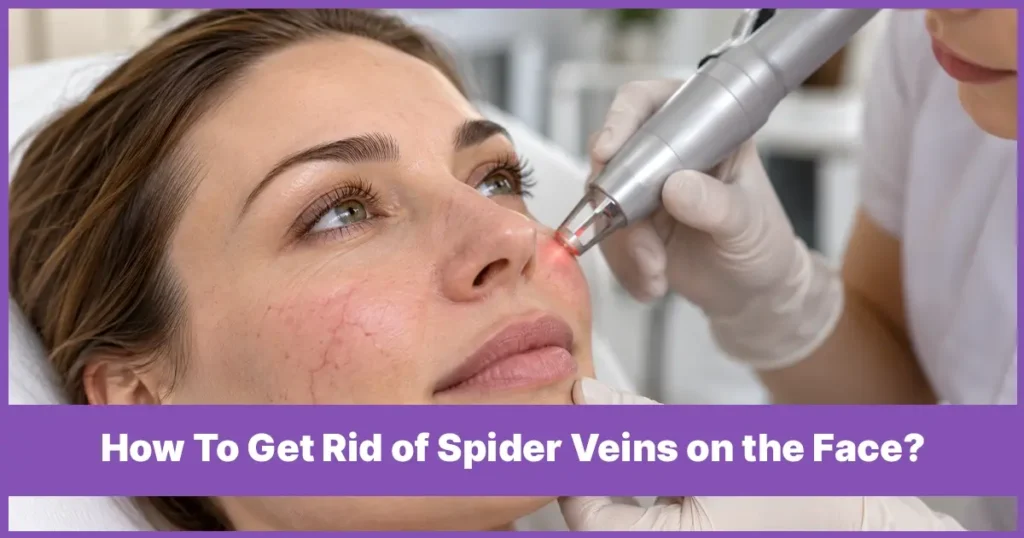
Once the vein doctor identifies broken blood vessels on the face, the next step is to recommend treatment options. The skin treatment depends on the size, depth and location of the spider veins on your face. In some cases, the skin colour is also brought into consideration to define a personalised treatment plan. Let’s understand the best treatments for telangiectasias, also known as spider veins.
VeinGogh
Do you have very fine veins on your face? This minimally invasive and precisely executed procedure is the best choice for people with darker skin tones because they are more susceptible to facial discolouration. This procedure begins with topical anesthesia. After this, a thin needle is gently and carefully inserted just below the facial skin but above the vein. The injected small bursts of energy heat up the vein to collapse the vein walls. The body tissues absorb the vein remnants.
Laser Therapy
This is another non-invasive treatment option that uses laser light to heat up and collapse the vein walls. A pulse of photons or light energy targets the blood vessel pigment, not the surrounding skin area. This is a safe method, but it may cause slight irritation, a feeling of heat or minor inflammation after treatment. Modern laser equipment easily works on small veins, and for large veins, 1-3 months are required before permanent disappearing.
Sclerotherapy
While sclerotherapy is the favourite treatment option for leg veins, it can also perform well on facial spider veins. This process involves injecting a medical solution into the targeted vein. The sclerosant disturbs the vein, causing it to collapse and be absorbed by the body tissues.
What Are Home Remedies for Facial Veins?
If you experience veins on your face, there are different home-based solutions to control the effects.
- Apply Cold Compress: Apply an ice pack or bag of frozen peas to the targeted areas of the face after sun exposure or heat. This process also helps to treat the facial veins.
- Vitamin C: Use of vitamin C supplements may reduce the appearance of broken vessels on the face.
- Aloe Vera: The plant-based aloe vera gel can be effective in reducing facial skin redness. Research also proves its importance in reducing redness.
When to Visit a Vein Specialist?
Although broken blood vessels are common and cause no harm, the visible facial veins often bother people due to cosmetic concerns. Whether you just want to address cosmetic concerns or treat the growing symptoms, visiting a professional vein clinic to seek an expert consultation is a wise approach. This not only helps you know whether a visible vessel is a spider vein, but also how to treat them. If you are from Chicago or near its suburbs, you can schedule your appointment at Chicago Vein Centers for effective facial vein treatment.