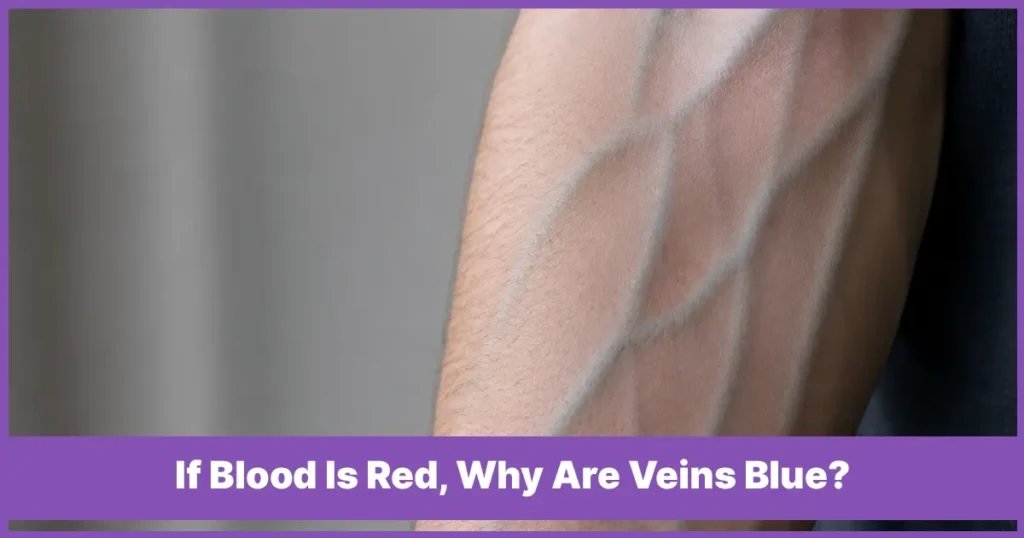
Did you once look at your wrist and ask yourself: Why then are the veins blue, when the blood is red? Everybody wonders, and it is an interesting question. The common belief is that the veins give us blue blood which becomes red when blood loses oxygen. But that’s actually a myth.
Here, we are going to simplify the science and identify what is actually occurring under your skin in this blog. It may also be a better idea to understand this as another way of becoming more familiar with vein-related issues and knowing when to address experts such as Chicago Vein Centers, which is a reliable provider of vascular health services.
First Things First: Blood Is Always Red
Now we should dispel the greatest fallacy.
Your blood is never black, no matter whether it is full of oxygen or not.
The type of blood in your body is of two kinds:
- Oxygen-rich blood (bright red)
- Oxygen-poor blood (dark red)
The heart channel oxygenated blood to the body in the arteries. The deoxygenated blood goes back to the heart using veins. Although the blood in the air is dark, it is not blue, but red.
So why do veins appear blue?
The Science Behind the Blue Appearance
The fact that veins appear blue has no connection with the color of blood. It is really the question how light interacts with your skin and tissues. Here’s what happens:
- Your skin is exposed to light coming through the sun.
- Light of varying colors penetrates the skin in varying depths.
- Red light is able to penetrate deeper into the tissue.
- The blue light scatters or bounces back easier.
The veins are a little lower than the skin on the surface. Due to the scattering and reflection of light, your eyes see them blue. It is an illusion of sight that is brought about by physics,not biology.
Why Don’t Arteries Look Blue?
Why not also make arteries blue, as the veins are?
The reason is very straightforward; the arteries tend to be deeper in the body. Being covered by tissues and muscles, they cannot be seen through the skin like we can with superficial veins.
Superficial veins are also more superficial such as in:
- Wrists
- Hands
- Feet
- Arms
That’s why they are more visible and appear bluish.
Does Skin Tone Affect Vein Color?
Yes, it does.
Larger and lighter skinned people find it easy to see their veins, and they also might be blue or even green. In individuals with a darker shade of skin, veins can be not so noticeable or rather greenish, as opposed to blue.
The difference remains because of the interaction between light and skin pigments and the tissues beneath these pigments. The blood itself is red in all cases.
Are Blue Veins a Sign of a Problem?
To a great extent, the presence of blue veins is normal.
Nevertheless, in some cases, veins are visible, and this can be a source of concern like:
- Varicose veins
- Spider veins
- Chronic venous insufficiency
- Poor circulation
When veins are swollen, twisted, painful, or excessively prominent, then it is time to visit a specialist in vascular issues. Their major specialty is the diagnosis and treatment of vein-related diseases using highly sophisticated, less invasive techniques.
What Are Varicose and Spider Veins?
There are instances of the blue normal veins being confused with vein disorders. Let’s clarify the difference.
Varicose Veins
These are swollen, twisted veins and appear usually to be bulging and dark blue or purple. They can cause:
- Aching pain
- Heaviness in the legs
- Swelling
- Itching
Spider Veins
They are smaller, webbed veins, which are found on the surface of the skin and turn red, blue or purple. Though these conditions are normal, they are not to be overlooked as long as they create discomfort and aggravate with time.
We provide a professional assessment to see whether the visible veins are not harmful or need to be treated.
How Oxygen Affects Blood Color?
One should know how oxygen varies in the appearance of blood.
As the blood absorbs oxygen in the lungs, it attaches itself to hemoglobin, which is a red blood cell protein. This makes the blood a bright red color.
When blood pumps out oxygen to the tissues, it turns to a darker red. Never even then, it never becomes blue.
In hospitals, oxygen concentration in blood is occasionally shown by blue in the charts. This may support the delusion. Yet they are nothing more than visual color codes: not reality.
Why Do Veins Sometimes Look Green?
You may notice that your veins don’t always look blue. Sometimes they appear green.
This happens because:
- Blue and yellow light mix visually.
- The yellow tones of your skin combine with the blue reflection.
- The result appears green to your eyes.
Again, this is about light and perception—not blood color.
When Should You Be Concerned?
While blue veins are usually normal, you should consult a specialist if you experience:
- Persistent leg pain
- Swelling in ankles or feet
- Skin discoloration
- Sores near the ankles
- Sudden vein enlargement
These could be signs of venous insufficiency or other circulation problems.
Early diagnosis can prevent complications. We focus on accurate diagnosis and personalized treatment plans to help restore healthy circulation.
Modern Treatments for Vein Issues
If a vein condition is diagnosed, modern treatments are highly effective and minimally invasive.
Some common procedures include:
- Laser therapy
- Sclerotherapy
- Radiofrequency ablation
- Endovenous laser treatment
The treatments are fast, may take a minimal amount of time off, and can greatly enhance comfort as well as appearance.
Chicago Vein Centers has a reputation of treating vein conditions in a safe and effective manner by relying on the best technology and patient care.
Final Thoughts
Why then does blood turn blue when it is red? The mere explanation: It is all about perception and light. Your blood is always red.
These veins are seen to be blue due to light penetration and the light bouncing through your skin. It is an illusion in which physics creates the illusion–not the change in the colour of blood. Most visible veins are normal. But, when you observe pain, swelling, or any other changes in the veins, one should consult the doctor.
It is not only about the cosmetic look of the skin, but rather adequate circulation and good health. Authorities such as Chicago Vein Centers can be trusted to guide the patients on the health of their veins and offer them treatment when necessary.
Knowledge of your body is the initial step towards improving health. And even a mere question such as: Why are my veins blue? can result in valuable discoveries as to the way your body really functions.
You should not keep your problems with veins or circulation to yourself. Get some tips, keep the knowledge up to date and give importance to your vascular health.