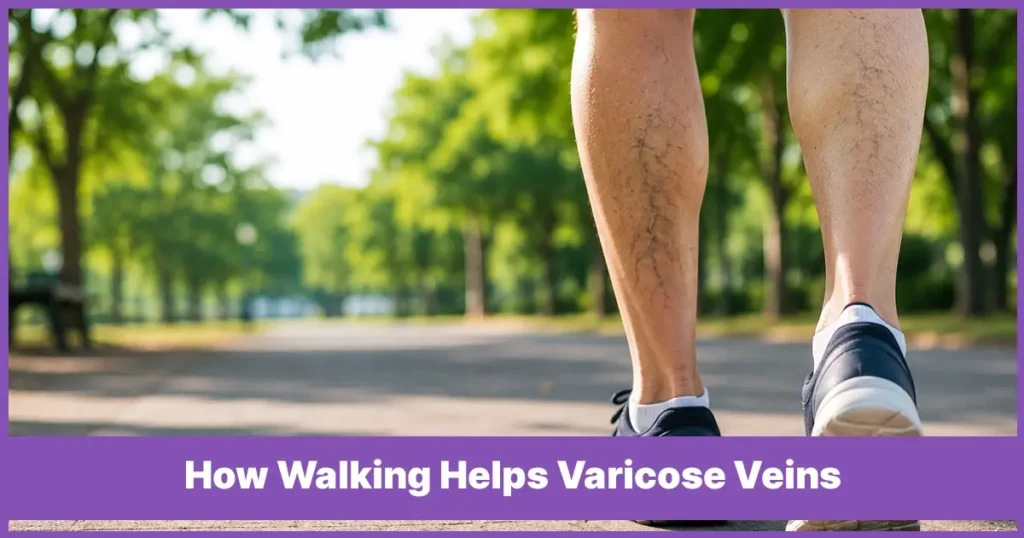
Varicose veins are a widespread disease which afflicts millions of individuals all over the world. They consist of swollen and twisted veins- most of the time on the legs- and may lead to discomfort, heaviness, swelling, and exhaustion. Although medication can be used, lifestyle factors are also important in the treatment of veins..
Walking is one of the easiest but most useful habits. Walking is a low impact exercise that helps in circulation, building of leg muscles, and relieves the veins of pressure. Walking regularly would go a long way to assist individuals with varicose veins to enhance blood circulation and alleviate the symptoms. A significant number of vascular experts advise daily walking as a good exercise to take care of the veins. Physical activity is a significant aspect of varicose vein symptom management and vascular health that should be focused on in clinics and healthcare providers, including Chicago Vein Centers.
This article will discuss how walking aids in the treatment of varicose veins, why it is useful, and how you can make it the routine of your life.
Understanding Varicose Veins
It is necessary to learn what varicose veins are before learning how walking is helpful. Varicose veins develop because of failure and rupture of valves within the veins. These valves make sure that the blood moves upwards to the heart.
In case of failure, blood may be trapped in the veins, and thus they swell under the skin. This condition is prevalent mostly in the legs since the blood needs to fight against the gravity to get back to the heart. Sedentary lifestyle, obesity, pregnancy, aging, and genetic factors may put a person at risk of developing varicose veins.
Varicose veins can be cosmetic, but sometimes they can also be associated with the following symptoms:
- Aching or heavy legs
- Swelling in the ankles or calves
- Burning or throbbing sensations
- Muscle cramps
- Visible bulging veins
Fortunately, regular physical activity, especially walking, can help manage these symptoms effectively.
How Walking Improves Blood Circulation
Among the primary reasons walking is beneficial to varicose veins is that it enhances blood flow to the legs. As opposed to the arteries, the veins are entirely dependent on the nearby muscles to assist the movement of blood back to the heart.
The calf muscles serve the same purpose as a pump that forces the blood to go up the veins. These muscles will be involved in contracting and relaxing as you walk and this will aid in the circulation of blood more effectively.
The process decreases the amount of blood stagnation in the legs and pressure on the veins. Therefore, walking will alleviate swelling, pain, and tiredness caused by varicose veins.
Activating the Calf Muscle Pump
Also known as the second heart of the body, the calf muscle pump is so significant in the flow of the blood. When you walk:
- Your calf muscles contract.
- The Leg veins are strained.
- Blood is forced to go up to the heart.
- The valves of veins do not allow the blood to move backwards.
This muscle activity assists in the sustenance of appropriate blood circulation and prevents vein stagnation. Routine walking makes the calf muscles stronger and more efficient, enhancing further circulation and lessens manifestations of varicose veins.
Reducing Swelling and Leg Discomfort
Individuals having varicose veins tend to have swellings in their lower ankles and legs. This is where blood stagnates in the veins and fluid spills in the tissues around.
Walking can be used to reduce swelling as this promotes blood flow and the flow of fluid into and out of the body. An enhanced circulation eliminates the accumulation of fluids and decreases pressure in the veins.
With an improvement in circulation, several individuals report an improvement in such symptoms:
- Leg heaviness
- Swelling
- Pain or aching
- Muscle fatigue
Healthcare providers such as Chicago Vein Centers tend to prescribe frequent walking as one of the conservative treatments to minimize these unpleasant symptoms.
Preventing the Condition from Getting Worse
Though walking does not necessarily remove varicose veins, it can retard the development of it. In the case of poor circulation, blood will stagnate in the veins, which will elevate the pressure and aggravate the condition in the long run.
Walking also keeps the blood flowing and so decreases the chances of deterioration of veins further. Periodic exercise can also be used to avoid complications like:
- Chronic venous insufficiency
- Blood clots
- Skin changes or ulcers
Maintaining an active lifestyle can therefore play a major role in protecting long-term vein health.
Supporting Healthy Weight Management
Additional pressure on the veins in the legs may be caused by excess body weight. This additional force has the ability to exacerbate varicose veins and add to the symptoms. Walking is a great exercise that helps one to be healthy in terms of keeping weight down since it burns a lot of calories and does not strain the joints.
Exercise may be used to take the pressure off of the veins and enhance the well-being of the veins. Moderate daily walking could also help a lot in lowering risk factors that are related to varicose veins.
Why Walking Is Better Than High-Impact Exercises
The concern that is raised by many is that exercise is likely to aggravate their varicose veins. Nevertheless, the exercise that is deemed safe to the health of veins is walking. Walking is a low impact exercise, and this implies that it does not strain the legs or the joints too much.
Walking is not associated with over straining the veins as opposed to vigorous exercises that include heavy weightlifting or vigorous running, which also increases the circulation. Due to its relatively easy nature, walking is frequently prescribed both to individuals with various levels of fitness and age.
How Much Walking Is Recommended?
The amount of time that is usually suggested by experts when it comes to supporting the veins and circulation is approximately 30 minutes of walking daily. This may be through one session or there may be shorter walks during the day.
Short walks every hour can be particularly useful to people who sit down or stand for a long time. The calf muscles can be mobilized even through short movement breaks and enhance blood circulation. Easy things to do to increase your daily steps would include:
- Taking short walks during work breaks
- Walking after meals
- Using stairs instead of elevators
- Parking farther from entrances
- Walking with friends or family
Consistency is the key to seeing long-term benefits.
Walking and Professional Vein Care
Although walking is an important advantage, one should not forget that walking is not a treatment for advanced varicose veins. Professional assessment and treatment might be required in worse situations. In case of symptoms or their worsening, it is advisable to visit a specialist in veins.
Many clinics like Chicago Vein Centers, offer in-depth assessment and treatment alternatives, with the least invasive procedures that can be used to enhance vein activity and lessen symptoms. Professional care and healthy lifestyle habits such as walking may result in the most positive results of vein health.
Conclusion
One of the most efficient and easy methods of maintaining healthy veins and dealing with varicose veins is walking. Regular walking can greatly benefit the symptoms and delay the disease, protecting against the development of inhibitory factors by enhancing circulation, calf muscle pumping, decreasing swelling, and sustaining healthy weight.
The most appealing thing is the fact that walking does not even need any equipment or training, just making movement a part of your routine. A brisk morning exercise, an evening walk, or an occasional break of movements between the working hours all help to make your veins healthier.
The necessity of regular physical activity is highlighted by healthcare providers and vascular experts, such as Chicago Vein Centers, who believe that healthy circulation can be preserved and veins can be avoided in this way. Through adding regular walking and appropriate medical advice where necessary, people will be able to make significant strides to healthier legs and overall health.