The human body is an intricate system that ensures our survival and wellbeing. One of these systems is the circulatory system, which is crucial in the transportation of blood, oxygen, and nutrients around the body. One of the frequently posed questions is: what are the number of veins in the human body?
In this blog we are going to discuss the structure of veins, their functions, and why they are not the same in all individuals.
Understanding the Circulatory System
It is necessary to know about the circulatory system before delving into the number of veins. This network comprises of three broad groups of blood vessels:
- Arteries (take away oxygenated blood off the heart)
- Veins (transport blood of low oxygen levels back to the heart)
- Capillaries (small tubes in which oxygen and nutrients are transported in and out of the body)
The veins are to direct blood to the heart and therefore they play a vital role in ensuring that there is proper circulation.
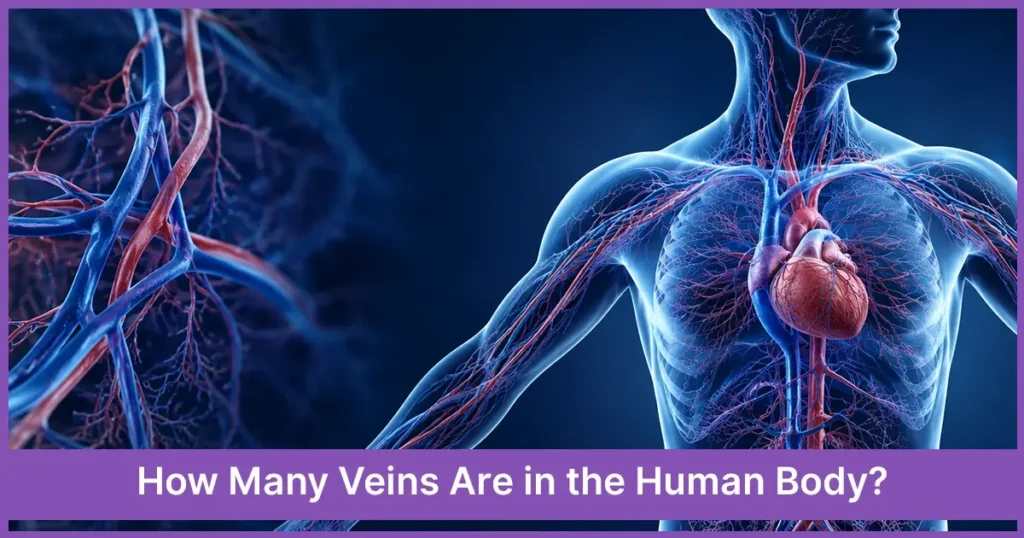
So, How Many Veins Are in the Human Body?
The number of veins in the human body is not precise. Rather, it is estimated that the body has hundreds of veins, and thousands of smaller branches and tributaries. Why is there not a set number?
- The venous system differs a little bit from individuals.
- Veins divide into smaller ones, and it is challenging to count.
- Others are minute veins which are not readily classifiable.
What we are certain of, however, is that veins constitute an important part of the vascular system of the body, extending thousands of miles, in conjunction with arteries and capillaries.
Major Veins in the Human Body
Although it is practically impossible to count all the veins, one can distinguish the major ones, which are of crucial importance in the circulation:
1. Superior Vena Cava
This great vein is a route through which the blood of the upper body is pumped back to the heart.
2. Inferior Vena Cava
It circulates blood in the lower part of the body to the heart.
3. Jugular Veins
These veins are found in the neck and drain blood to the brain, face, and neck.
4. Pulmonary Veins
These are special as they transport oxygenated blood to the heart
5. Femoral Vein
It is one of the largest lower body veins that are in the thigh. These great veins divide into smaller veins and venulas, creating a complex net all over the body.
Structure of Veins
Veins are specially designed to be able to perform their task effectively:
- Arteries compared to thin walls.
- The valves ensure that the blood does not flow backwards.
- Large lumen (inner space) to accommodate larger amounts of blood.
These characteristics assist in veins taking blood back to the heart, usually against gravity- particularly in legs.
How Long Are All the Veins Combined?
The combination of arteries and capillaries makes the human body have a total estimated length of blood vessels estimated at about 60,000 miles (96,000 kilometers). This network consists of a great number of veins.
This marvelous length is indicative of the scope and importance of the vascular system.
Why Vein Health Matters
Good veins play a vital role in circulation of blood. Failure of veins to work well may cause conditions like:
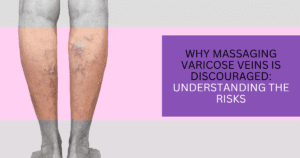
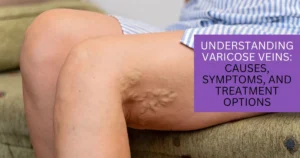
- Varicose veins
- Spider veins
- Deep vein thrombosis (DVT)
- Chronic venous insufficiency
Unattended, these conditions may result in discomfort, swelling, and other more serious health risks.
Other organizations such as Chicago vein centers have focused on the need to treat and diagnose veins early to ensure that they are healthy and that they do not lead to complications.
Factors That Affect Vein Function
Several factors can influence how well your veins work:
1. Age
As you age, vein walls and valves may weaken.
2. Lifestyle
Lack of physical activity can reduce circulation.
3. Genetics
Family history plays a role in vein conditions.
4. Prolonged Standing or Sitting
This may cause stress in the veins, particularly in the legs.
Veins can be taken care of by maintaining an active lifestyle and seeking professional advice from people like Chicago vein centers.
Tips to Keep Your Veins Healthy
Having veins that are well maintained is an important aspect of health. These are some tips that can be put into practice:
- Regularly exercise to enhance circulation.
- Be at a healthy weight.
- Raise your legs when sleeping.
- Avoid sitting or standing long.
- Stay hydrated
- Use compression stockings when it is advised.
These are easy measures that will help in avoiding vein-related problems.
When Should You See a Specialist?
You may also want to visit a vein specialist in case you have:
- Constant pain or swelling in legs.
- Visible varicose veins
- Veins and discoloration of the skin around.
- Sensation of weight in legs.
These conditions can be effectively diagnosed and treated by professional care of trusted providers such as Chicago vein centers.
The Role of Modern Treatments
Medical technology has improved such that vein treatments are more effective and invasive. Common procedures include:
- Laser therapy
- Sclerotherapy
- Radiofrequency ablation
These therapies are aimed at enhancing blood circulation, and alleviating pain, in most cases with little time loss. Chicago vein centers are facilities that focus on these contemporary methods, which enable patients to feel comfortable and confident again.
Final Thoughts
There are so many veins in the human body, then how many? Although not a precise count, the human body has hundreds of veins and thousands of smaller vessels that are interconnected in a large and complex system that is vital to life.
Knowing your veins and trying to maintain them in good health can help a lot in determining the quality of your life. It is an issue that everyone must take seriously whether it is by changing their lifestyle or getting professional treatment to maintain good vein health. When you have any indication of vein trouble, be it in one or both legs you should not ignore it because timely intervention can save a lot of trouble.