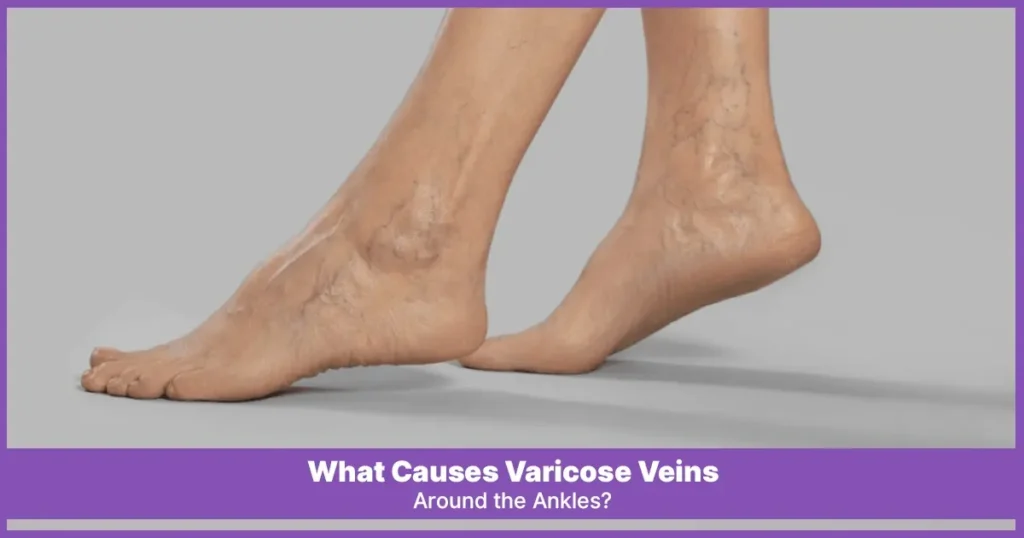
A common vascular disease is varicose veins. These are swollen and twisted veins that can be observed just below the skin and affect millions of people all over the world. Although they may occur in any part of the body, one of the most evident and irritative occurs at the ankle region. To some, these bulging veins are a cosmetic issue, but to others they may be painful, heavy, itchy, and even uncomfortable.
In this paper, we will discuss what causes varicose veins around the ankles, how they arise, the risk factors, and what you can do about the varicose veins,- including how Chicago Vein Centers can assist with assessment and management.
What Are Varicose Veins? A Quick Overview
Veins help in taking the blood back to the heart once they have given oxygen and nutrients to the body. To aid this upward movement, each vein is fitted with a one-way valve, which opens and closes with each beat of the heart.
In case of weakening or failure of these valves, the blood is likely to stagnate in the veins, which is likely to raise the pressure and make them lengthen and protrude. Once this occurs the veins become visible, swollen, and painful. Such veins are referred to as varicose veins.
Why the Ankles Are Commonly Affected
The ankles are particularly susceptible to varicose veins due to:
1. Gravity & Blood Return Challenges
While standing or walking, some blood is forced to move upwards against the feet and ankles to the heart. This demands well-developed vein walls and complete operative valves. Should the valves become weak, the blood gathers in the lower limbs – particularly around the ankles – and thus they are most frequently affected.
2. High Pressure Area
The circular veins are the lowest veins in the circulatory system with the highest pressure since they are not close to the heart and are constantly fighting gravitational force. This pressure may weaken the valves and cause venous insufficiency and varicose veins.
3. Thin Skin and Less Subcutaneous Support
The ankle area has slimmer skin with a lack of fatty support as compared to other areas of the body. This causes huge veins to be seen and prominent in this area.
Primary Causes of Varicose Veins Around the Ankles
1. Chronic Venous Insufficiency (CVI)
Chronic venous insufficiency (CVI) is the most widespread underlying cause. In CVI, the valves within leg veins cannot properly close, and the blood will be pumped backwards and stand in the veins. This eventually results in varicosities particularly around the ankles; this is where the effect of gravity is mostly felt.
Key contributing factors to CVI include:
- Age-related wear and tear on vein valves
- Genetics (family history of varicose veins)
- Prolonged standing or sitting
- Obesity
CVI is not just a cosmetic problem as it may result in painful swelling and changes on the skin in case it remains uncorrected.
2. Genetics & Family History
Family history is a strong element. You have a higher risk of developing varicose veins if one or both of your parents had them. Gene influence may cause vein walls and valves to be weak thereby making them susceptible to failure in the long run.
3. Age and Wear-and-Tear on Veins
Varicose veins normally set in with an increase in age. The repeated stress attacks the valves of the veins and diminishes the elasticity of the vein walls. It is due to this that varicose veins are prevalent in any individual who has passed the 40 years age mark – and this is why the ankles are usually the first to display any signs.
4. Prolonged Standing or Sedentary Lifestyle
Jobs and lifestyles that require long work hours of standing (e.g., retail workers and teachers and factory workers) or sitting without movement (e.g., office workers and long-distance travel) are a major risk factor that causes varicose veins. Failure to contract muscles at a regular rate particularly in the calves leads to slow blood flow and ankle veins pressure.
5. Obesity & Excess Weight
Extra weight causes an extra burden on the veins of the legs and ankles. The additional pressure decreases the velocity of blood flow and elevates the venous pressure which increases the risk of valve failure and varicosities.
6. Pregnancy & Hormonal Factors
During pregnancy, blood volume is elevated, and the vein walls change due to hormones. Varicose veins occur in many pregnant women especially in the ankles. Although some become better after childbirth, others might continue.
Hormonal contraceptives and hormone replacement therapy have the potential to affect vein health too, particularly among women who are prone to vein insufficiency.
7. Injury or Trauma to the Leg
Damage of vein-valves may result due to past ankle/ lower leg sprains, fractures or deep vein thrombosis. Damaged valves have difficulties keeping blood in one direction. This elevates the venous pressure and causes the formation of varicose veins.
8. Smoking and Poor Circulation
Smoking destroys blood vessels and hinders circulation. This decreased blood flow elevates the pressure in veins and speeds up structural weakening of veins, a factor that leads to varicose veins especially in those parts that are already under high pressure such as the ankles.
Signs & Symptoms Around the Ankles
Varicose veins around the ankles often first appear as:
- Enlarged, distended, or perverted veins.
- Heavy or tiredness of the lower legs.
- Perianal edema particularly after standing.
- Itchy, burning pain around the veins.
- Cramp or pain in lower leg.
- The texture and color of the skin change over time.
If left untreated, symptoms can worsen and may lead to complications, including:
- Venous ulcers
- Increased swelling
- Chronic pain
- Skin hardening or pigmentation changes
When to Seek Professional Help
In case of the presence of varicose veins near the ankle and pain, skin discoloration, and swelling, it is advisable to see a vascular specialist. Early detection can mean underlying insufficiency of venous insufficiency and preventing you from long run problems.
Our team in Chicago Vein Centers applies a high level of diagnostic equipment, such as duplex ultrasound to evaluate the functionality of veins and define the optimal treatment strategy that will suit your needs. Regardless of the issue which is cosmetic or symptomatic, professional assessment is the key to safe and effective treatment.
Prevention & Management Strategies
Although not all risk factors such as genetics and age are changeable, most lifestyle measures can prevent the development of a varicose vein or alleviate the symptoms near the ankles:
✦ Move Regularly
Do not sit or stand in the same position for long periods. Make short leg stretches or walks on an hourly basis.
✦ Elevate Your Legs
Raise legs higher than the heart regularly to decrease venous pressure and enhance blood circulation.
✦ Wear Compression Stockings
Compression stockings that are of medical grade assist in the elimination of swelling and assist veins.
✦ Maintain Healthy Weight
Normal nutrition and frequent exercise help in alleviating pressure on leg veins.
✦ Avoid Tight Clothing
Snug garments at the waist or legs may restrict circulation.
✦ Stay Hydrated
Correct hydration promotes the health of the circulatory system.
Treatment Options at Chicago Vein Centers
Unless prevention is adequate, we provide an array of treatment choices:
- Endovenous Laser Therapy (EVLT) – Least-traumatic intervention to seal faulty veins.
- Sclerotherapy – Injection therapy of varicosities of smaller magnitude.
- Radiofrequency Ablation – Diseased veins that are closed using heat.
- Tailored Follow-Up Care – To avoid recurrence and address the symptoms.
Your vein health matters. Timely assessment results in improved outcomes and you will get a caring, evidence-based treatment that will suit your needs.
Final Thoughts
Varicose veins on the ankles are atypical, and most of them come about because of a mixture of failure in the venous valves, long standing pressure, lifestyle, genetics and age. Though they tend to be initially a cosmetic issue, though the neglect of symptomatic varicosities may cause inconvenience and permanent alterations in the skin.
The good news – Varicose veins can be successfully treated and usually improved with appropriate lifestyle change, early identification, and the available contemporary treatment methods. In case you are worried about painful and visible veins beneath your ankles, Chicago Vein Centers can help you with a full assessment and individualized treatment program.