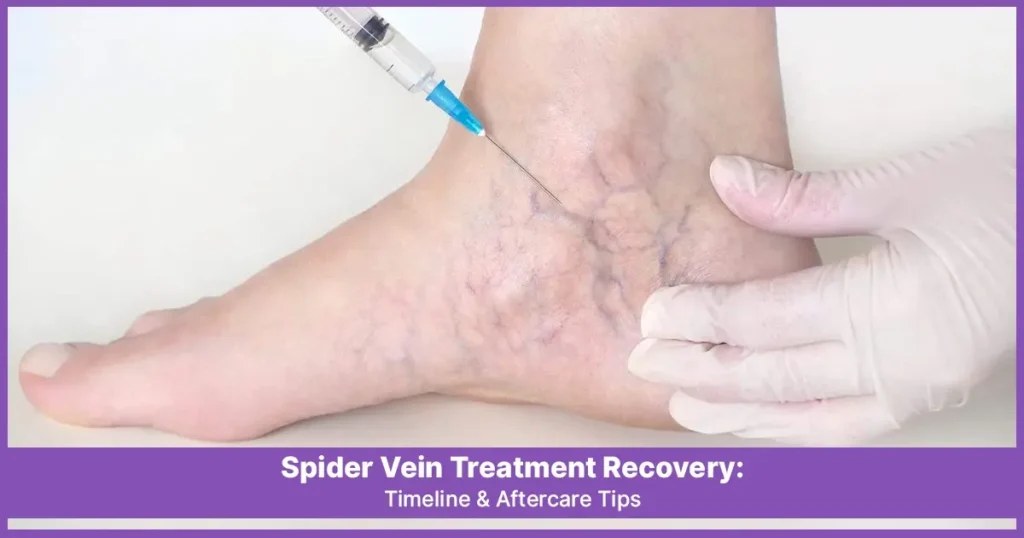
The post-treatment process requires a guided approach to preserve the treatment results. Normally, spider veins are proclaimed more as a cosmetic concern that affects the aesthetic appeal of the skin. The visible areas, such as the legs and face, typically become the target of such veins.
Not to worry, as advanced treatment options have reduced the pain and downtime for patients. Whether the spider veins are a cosmetic problem for you or pose serious health concerns, specialized vascular treatments not only address your concerns but also focus on recovery and aftercare techniques. Let’s focus on the post-treatment recovery tips for a smooth return to routine life.
Spider Veins and Their Treatment
Before diving into recovery, let’s understand the spider veins and their potential treatments. Spider veins appear once the small veins under the skin become dilated. Various factors, including genetics, aging, pregnancy, and prolonged standing or sitting, contribute to its formation. The latest spider vein treatment options that commonly include:
- Sclerotherapy: A solution enters directly into the diseased vein. It shuts off the diseased vein and it gradually disappears.
Treatment is minimally invasive, and while effective, a focused aftercare process is essential for anticipated results.
Recovery Timeline for Spider Vein Treatment
If you are aware of the complete recovery process, it can help you navigate the different healing stages with ease. Every patient’s experience may vary. Let’s understand that the recovery timeline generally follows all these stages:
1. Immediate Post Treatment (First 24-48 Hours)
Have you got the procedure? You may experience some mild discomfort or redness at the treated area. Let’s not worry because these symptoms are typically temporary. They usually fade away within a few hours to a couple of days. It’s common to have:
- Swelling and Bruising
- Skin Sensitivity
- Compression Garments Need
Tip: The best way is to elevate your legs when possible. This reduces swelling and improves blood flow. Let’s speed up your recovery process.
2. Initial Healing Stage (1-2 Weeks)
The first two weeks play a key role in healing the treated veins. At this stage, your body experiences fading of bruises, but some level of discoloration remains visible around the treatment area. First, the veins become darker in color, then they gradually begin to disappear.
- Discomfort reduces over time.
- Compression wearing assists with the healing process.
- Avoid tough activities to prevent undue strain on your treated veins.
Tip: Continue light walking to experience seamless circulation and decrease the risk of blood clots in your veins.
3. Week 3-4: Recovery in Middle Phase
This phase promises a significant reduction in swelling and bruising. Although some minor skin discoloration may remain. Eventually, the point reaches where you can see the treated veins fade or shrink. The clear outcomes are yet to show up.
- Most patients resume daily activities but still avoid prolonged standing or sitting.
- Check for new symptoms and contact your healthcare provider if any complications arise.
Tip: Try to wear compression garments throughout the day for quick recovery.
4. 1-3 Months: Experience the Full Scale Outcomes
One to three months are necessary to experience complete results with the treated veins gradually disappearing over time. This phase helps patients notice significant improvement in their legs. They don’t find any signs of the spider veins that were once visible.
- Long-term care of your legs through healthy weight maintenance and a balanced lifestyle.
- Some veins may require multiple treatments for full removal.
Aftercare Tips : Optimal Outcomes
Effective aftercare is needed for smooth recovery of your veins. Your treatment team aims to deliver the best possible results, but here are some tips to help you navigate your recovery:
1. Follow Post-Procedure Instructions
Your vein specialist will recommend some aftercare instructions, and it’s important to consider them for better results. These may include:
- Compression stockings promote blood flow and hinder blood pooling into the veins.
- Avoid hot showers for a few days.
2. Get Moving, But Excess is Bad
Another important aspect of the recovery process includes staying active, but don’t overdo it. Light walking is encouraged, but avoid high-intensity activities or standing for various hours.
3. Keep Yourself Hydrated
Try to drink plenty of water because it helps to maintain healthy blood circulation. This process can aid in your recovery.
4. Consider Wearing Sunscreen
Wearing sunscreen is another vital aspect to preserve the results after spider vein treatment. The treated area skin may become more sensitive to sun damage. Applying sunscreen will control harmful UV radiation entering your skin and prevent further vein problems.
5. Maintain a Quality Lifestyle
Want to stop the recurrence of spider veins? It should be the priority to stay healthy. Try to eat a balanced diet rich in vegetables, quality fruits and whole grains. Also, maintain a healthy weight. This step controls unnecessary strain on your veins. Regular physical exercise can also help promote circulation and slow down the risk of developing new spider veins.
Common Misconceptions About Spider Vein Treatment Recovery
Let’s scroll to identify myths you need to know about vascular treatment recovery.
Myth 1: Spider Veins Won’t Appear Again After Treatment
While treatment ensures guaranteed results and can reduce the development of spider veins, it doesn’t eliminate the issue forever. Following a healthy lifestyle can help shrink the chances of new veins developing.
Myth 2: Recovery is Hard and a Long Process
Most patients notice mild discomfort after treatment, but the recovery process is generally fast. Following proper post-treatment care tips can ramp up the healing process and improve the outcomes.
Myth 3: Difficult to Resume Routine Activities Soon After Treatment
It is highly recommended to avoid intense physical activities right after the procedure, but it doesn’t stop you from normal life activities, such as walking. Listen to your body and take the relevant steps it needs to heal.
Key Takeaways
- Spider vein treatment recovery should be a harmless and smooth experience.
- Follow the aftercare instructions, and try to be proactive in maintaining your health. You can ensure a successful recovery process this way.
- Be patient and follow your vascular doctor’s advice at a professional vein clinic. You will soon experience smoother and healthier-looking veins.